Solid-Phase Synthesis: Fundamentals & Uses
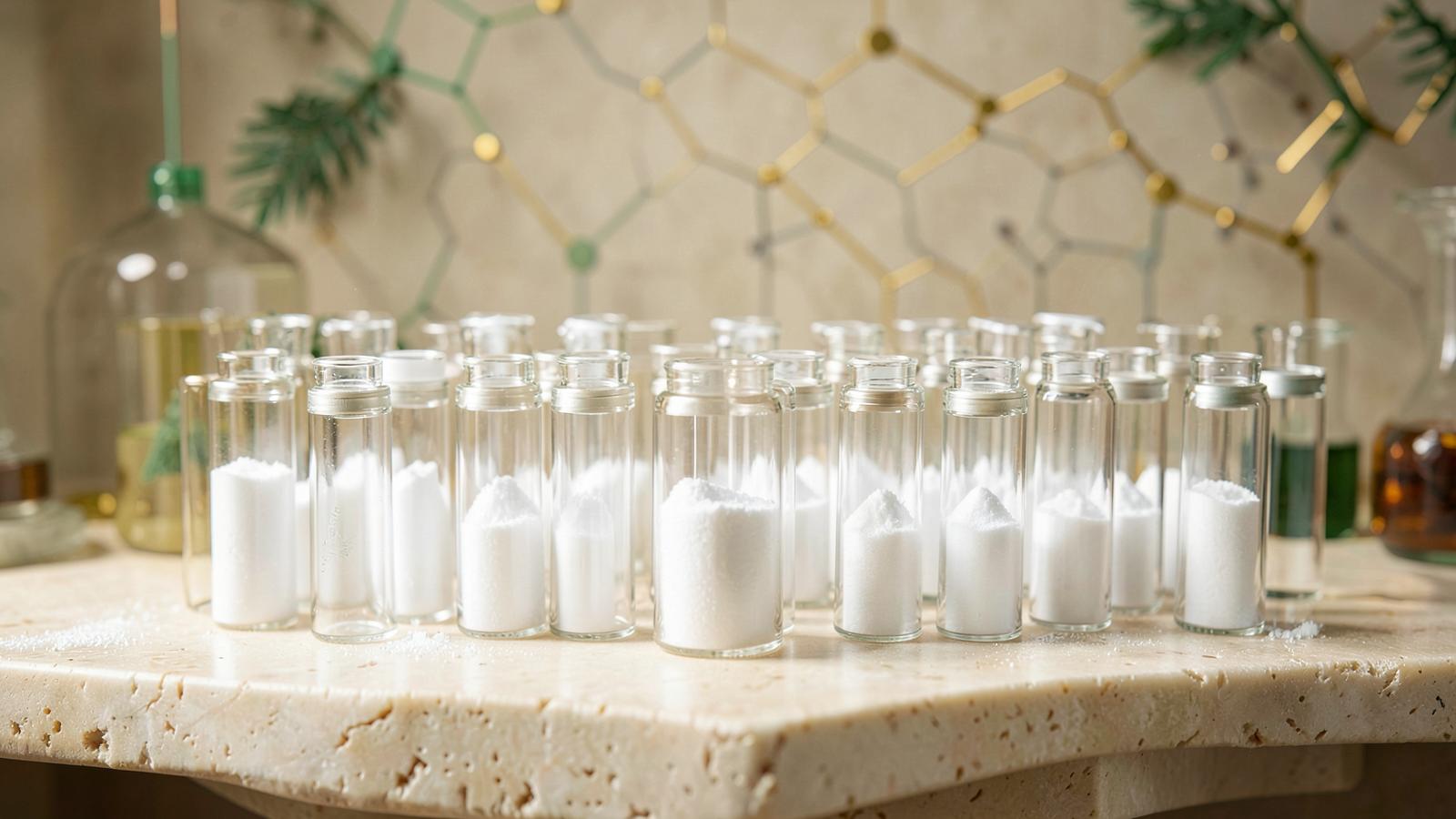
Explore the fundamentals and advanced applications of Solid-Phase Peptide Synthesis (SPPS) in modern peptide research. Learn about optimization…
Research Use Only (RUO). All compounds described here are supplied strictly for in-vitro laboratory research. Not for human or veterinary use, and not evaluated by the FDA.
The development of Solid-Phase Peptide Synthesis (SPPS) marks one of the most significant turning points in modern biochemistry and pharmaceutical analysis. Since its groundbreaking introduction by Robert Bruce Merrifield in the 1960s, the method has evolved from an experimental approach to a highly efficient standard procedure in peptide quality control. In contemporary laboratory settings, SPPS enables the precise assembly of complex amino acid sequences, which are essential for investigating cellular signaling pathways and structural biology questions. The relevance of this technique becomes particularly clear when considering the growing demand for high-purity RUO peptides for research purposes. Through automation and the refinement of protecting group strategies, researchers can now synthesize molecules of the highest complexity, opening the door to new insights in proteomics and molecular interaction research.
Fundamentals of Merrifield Solid-Phase Synthesis
The fundamental principle of SPPS is based on anchoring the first amino acid to an insoluble, polymeric support, known as the resin. As Merrifield described in his pioneering work, this approach allows for the removal of excess reagents and by-products by simple filtration, rendering the previously laborious purification between individual coupling steps obsolete [1].
The process follows a cyclical protocol: deprotection of the N-terminal amino group, activation of the next protected amino acid, and its coupling to the growing chain. The use of peptides for laboratory research requires strict adherence to chemical parameters to minimize deletion sequences. A central aspect is the choice of protecting groups, with the Fmoc/tBu scheme (Fluorenylmethoxycarbonyl) largely prevailing due to its milder conditions compared to the original Boc/Benzyl method. This methodical precision is crucial when complex sequences such as EPITHALON 50MG are studied in the laboratory, as the purity of the tetrapeptidic structure directly influences the validity of in vitro data.
The Role of the Polymeric Support and Linker
The physical properties of the resin, typically polystyrene-divinylbenzene copolymers, determine the diffusion rate of reagents. The linker – the chemical bridge between the resin and the peptide – in turn defines the conditions under which the final product is cleaved after synthesis completion. In preclinical research, acid-labile linkers are often used to preserve the integrity of acid-sensitive side chains.
Strategies for Optimizing Coupling Efficiency
In modern peptide research, the yield and purity of the crude product largely depend on the efficiency of peptide bond formation. To overcome steric hindrance, highly reactive coupling reagents such as HATU (1-[Bis(dimethylamino)methylene]-1H-1,2,3-triazolo[4,5-b]pyridinium 3-oxide hexafluorophosphate) are used. These reagents enable a nearly quantitative reaction, which is critically important for longer sequences such as the 43-amino acid fragment of Thymosin beta-4, often referred to as TB 500 10MG in research.
Another factor is the prevention of aggregation during chain growth. Intramolecular hydrogen bonds can form "difficult sequences" that block access for further amino acids. Laboratory analyses show that the use of chaotropic salts or special solvent mixtures like DMF/DCM (Dimethylformamide/Dichloromethane) can minimize these physical barriers. Research indicates that optimizing these parameters forms the basis for the reproducibility of scientific data.
Stability and Analysis of Synthesized Peptides
After successful synthesis and cleavage from the resin, the stability of peptides in aqueous media represents one of the greatest challenges. Manning et al. emphasized that chemical degradation processes such as deamidation, oxidation, and hydrolysis can significantly alter the primary structure of research objects [2]. This is particularly important to consider during the storage and reconstitution of laboratory samples.
Analytical characterization is routinely performed using High-Performance Liquid Chromatography (RP-HPLC) coupled with Mass Spectrometry (LC-MS). These methods ensure that the synthesized sequences, for example, the pentadecapeptide BPC 157 10MG, precisely match the target structure. In vitro studies fundamentally depend on the absence of trifluoroacetic acid (TFA) residues or organic solvents, as these could affect cellular test systems. Stability in solution is therefore not only a chemical attribute but a prerequisite for the integrity of the entire experimental series.
Advanced Applications and Modifications
The versatility of SPPS allows for the introduction of specific modifications beyond linear synthesis. These include cyclizations, the introduction of fluorescent markers, or the synthesis of peptidoid structures. These modifications are essential for investigating binding affinity to receptors in preclinical models or increasing metabolic stability against proteases.
Cyclization and Side-Chain Modification
Through the targeted formation of disulfide bridges or the application of "Click Chemistry" on the resin, researchers can stabilize secondary structures. Such techniques are standard in modern peptide chemistry to mimic the structural diversity of biomolecules. The precision with which these modifications are performed determines the quality of peptides for laboratory research used in proteomic screenings.
Practical Laboratory Tips and Best Practices
For successful solid-phase synthesis on a laboratory scale, the following best practices should be observed:
1. Resin Swelling: Adequate swelling of the resin in DMF before starting synthesis is essential to make the polymer cavities accessible to reagents. 2. Coupling Monitoring: The use of color tests such as the Kaiser test to detect free amines allows for real-time monitoring of coupling success. 3. Storage: Synthesized peptides should be lyophilized and stored under inert gas (argon or nitrogen) at -20°C or -80°C to minimize oxidative processes [2]. 4. Purity Levels: For biochemical assays, a purity of >95% should be aimed for, achieved through preparative HPLC.
Conclusion and Outlook
Solid-phase peptide synthesis remains the backbone of modern peptide research. Through the continuous development of resin materials and highly efficient coupling reagents, it is now possible to produce even highly complex protein structures in a controlled laboratory environment. Research shows that the synergy of automated synthesis and high-resolution analytics forms the basis for future discoveries in molecular biology. While new methods such as Chemoenzymatic Peptide Synthesis (CEPS) are gaining importance, SPPS remains an indispensable tool for providing RUO peptides for research purposes due to its robustness and scalability.
Scientific Disclaimer: This article is for informational and research purposes only in the field of laboratory sciences (Research Use Only). The described substances, including BPC 157, TB 500, and EPITHALON, are not intended for therapeutic use in humans or animals. No statements are made regarding medical efficacy or healing success. Handling these substances requires appropriate professional qualifications and a controlled laboratory environment. Any form of application outside of in vitro research or preclinical laboratory analysis is strictly prohibited.
Related articles
Deepen your RUO knowledge with curated follow-up reading.
What Is a Peptide-Drug Conjugate (PDC)?
Explore Peptide-Drug Conjugates (PDCs) – the next evolution in targeted drug delivery. Learn about their structure, benefits, and applications in…
Triple Agonists: GLP-1/GIP/GCG Research
Explore the Triple-Agonist Peptide (LY3437943) in research: mechanism, preclinical data, quality control, and procurement for USA labs. For Research Use…
Triple Agonist Peptides: Preclinical Findings
Explore documented preclinical data on the Triple-Agonist Peptide (GLP-1/GIP/GCG). Learn about receptor pharmacology, cell models, and rodent…