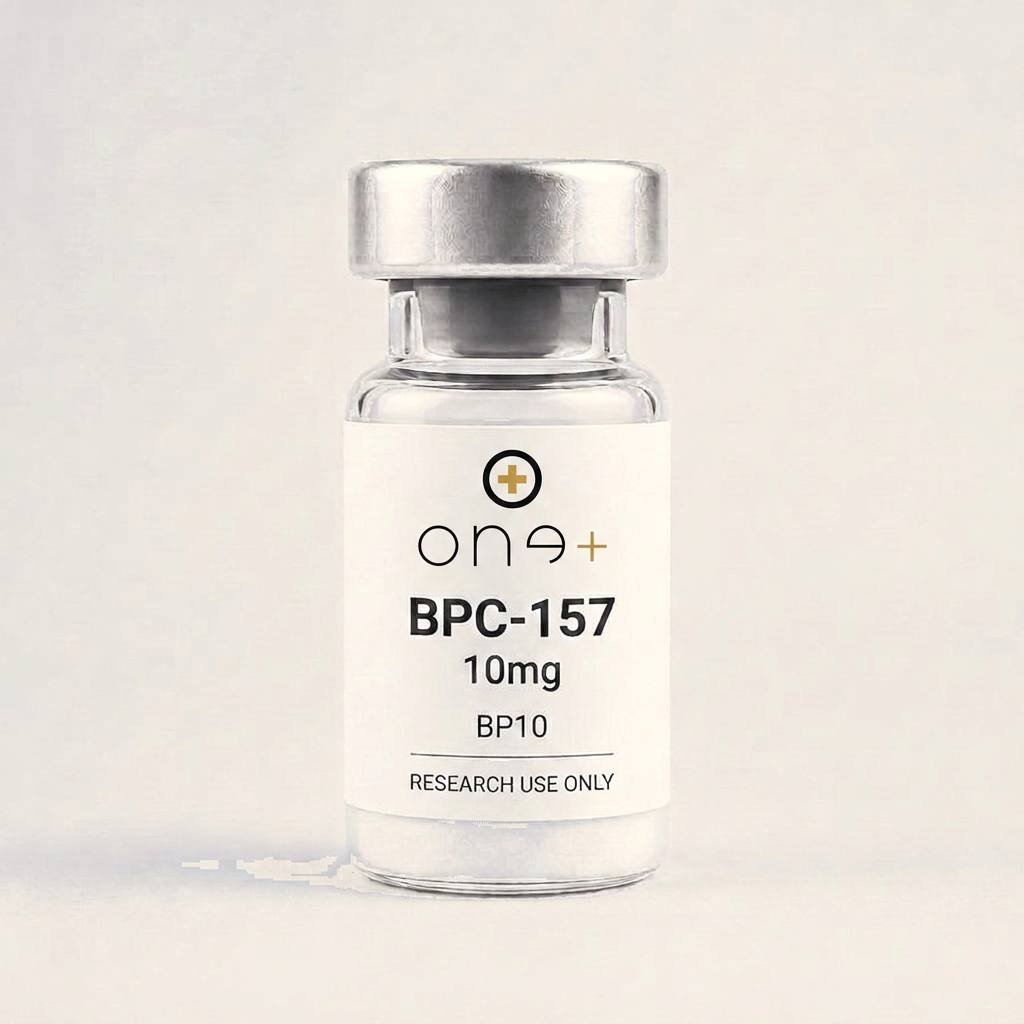
 BP10
BP10Research area
Tissue repair peptides for laboratory research
Tissue repair is one of the most active areas of peptide literature, spanning angiogenesis, cell migration, collagen synthesis, and inflammatory signaling. One Plus supplies the compounds most often referenced in that literature — each lot HPLC- and mass-spec-verified by an independent laboratory, with the certificate of analysis matched to the batch code printed on the vial.
All compounds on this page are sold strictly for in-vitro laboratory research use. They are not for human or veterinary use.
Pathways researchers study
Angiogenesis
New vessel formation and endothelial signaling, the most frequently cited mechanism in BPC-157 literature.
Cell migration
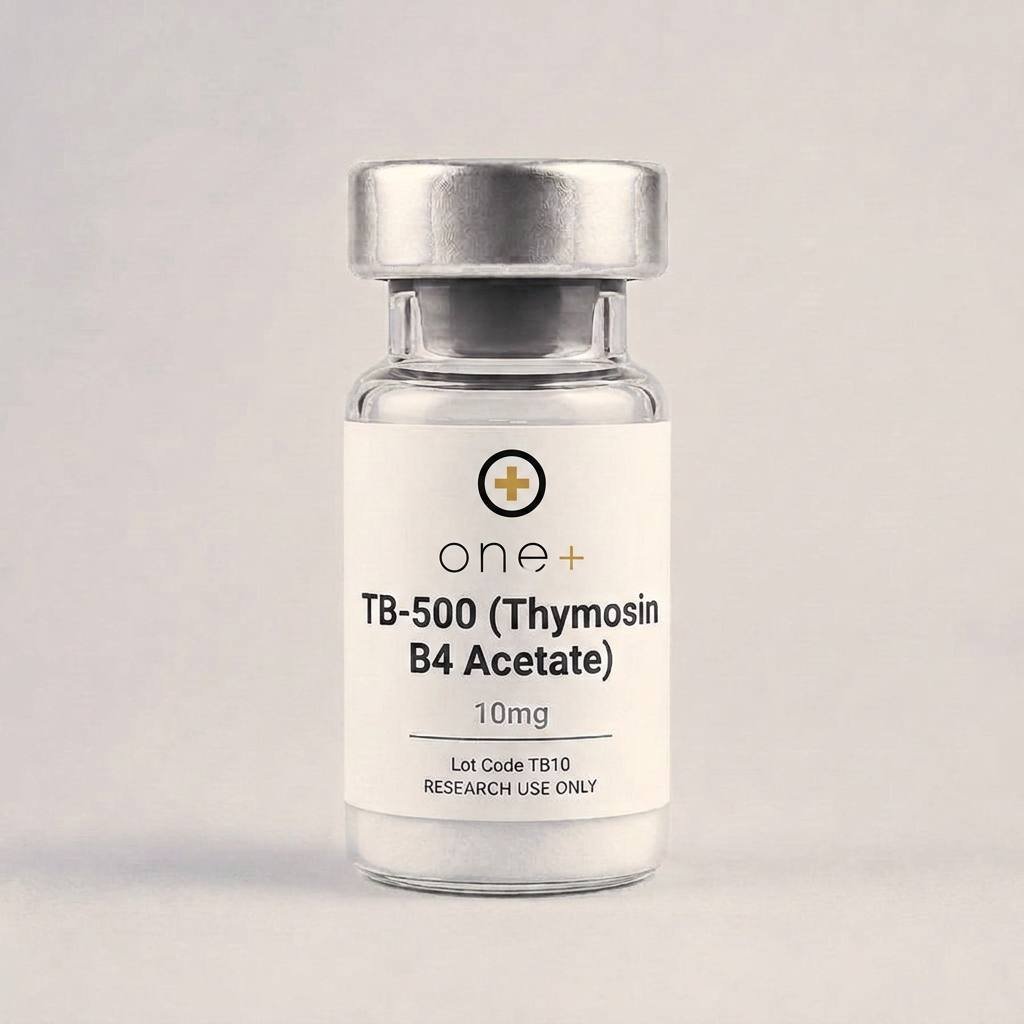
Actin-binding and cytoskeletal dynamics, central to TB-500 (Thymosin Beta-4) research models.
Matrix synthesis
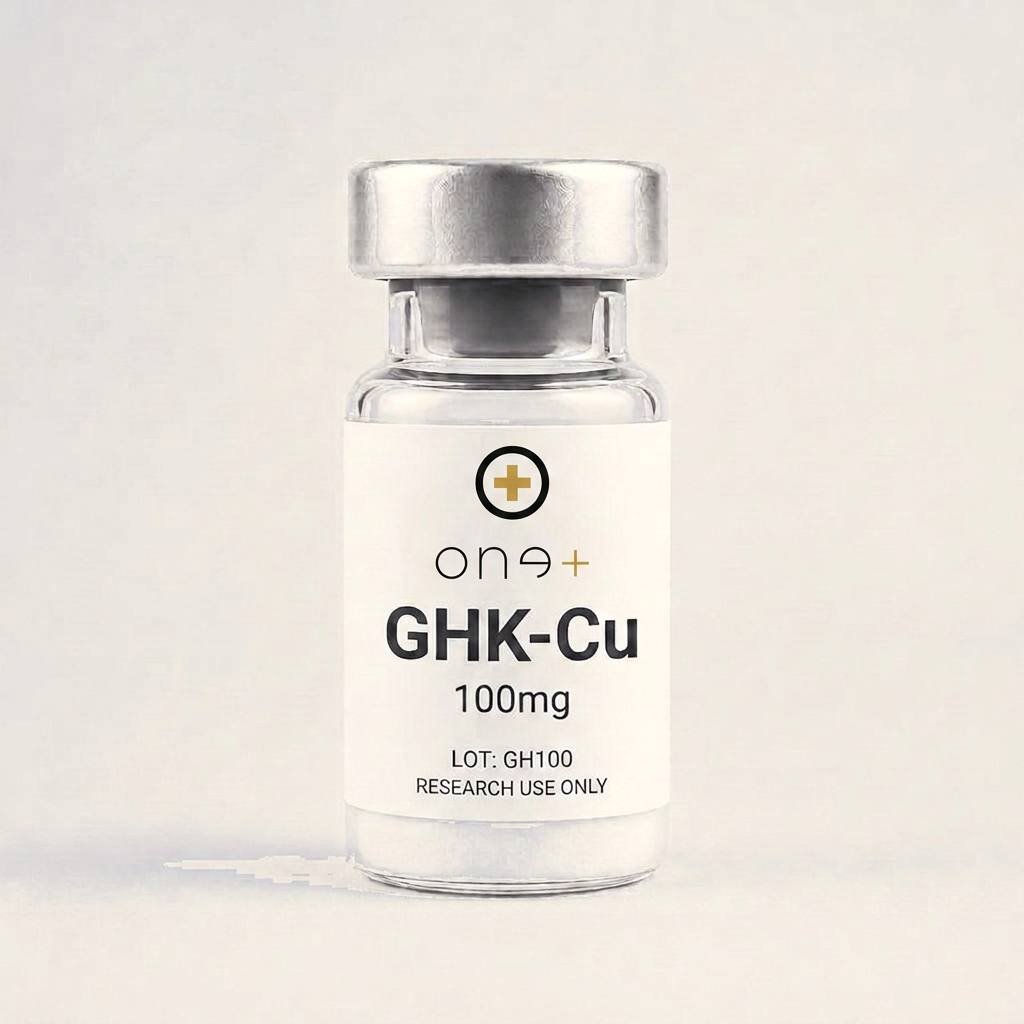
Collagen and extracellular matrix remodeling, studied with the copper tripeptide GHK-Cu.
Inflammatory modulation
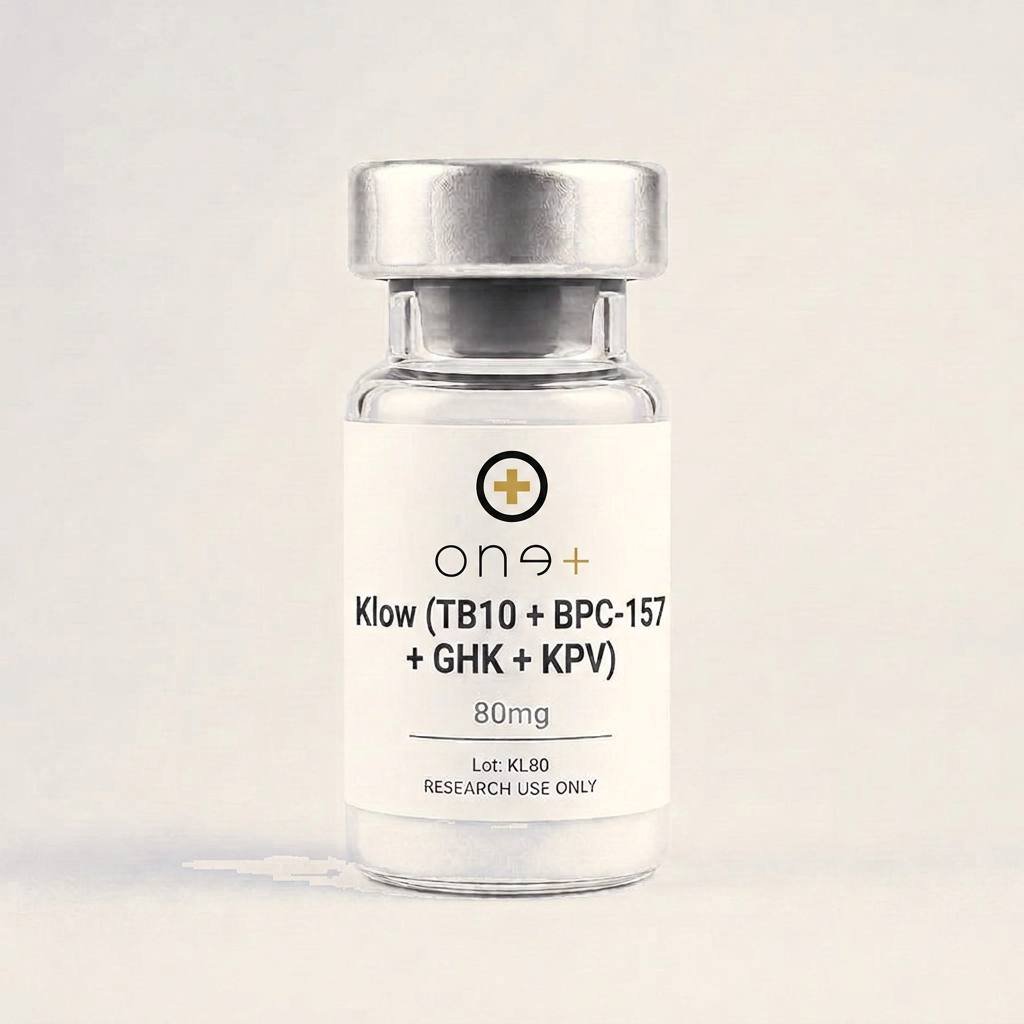
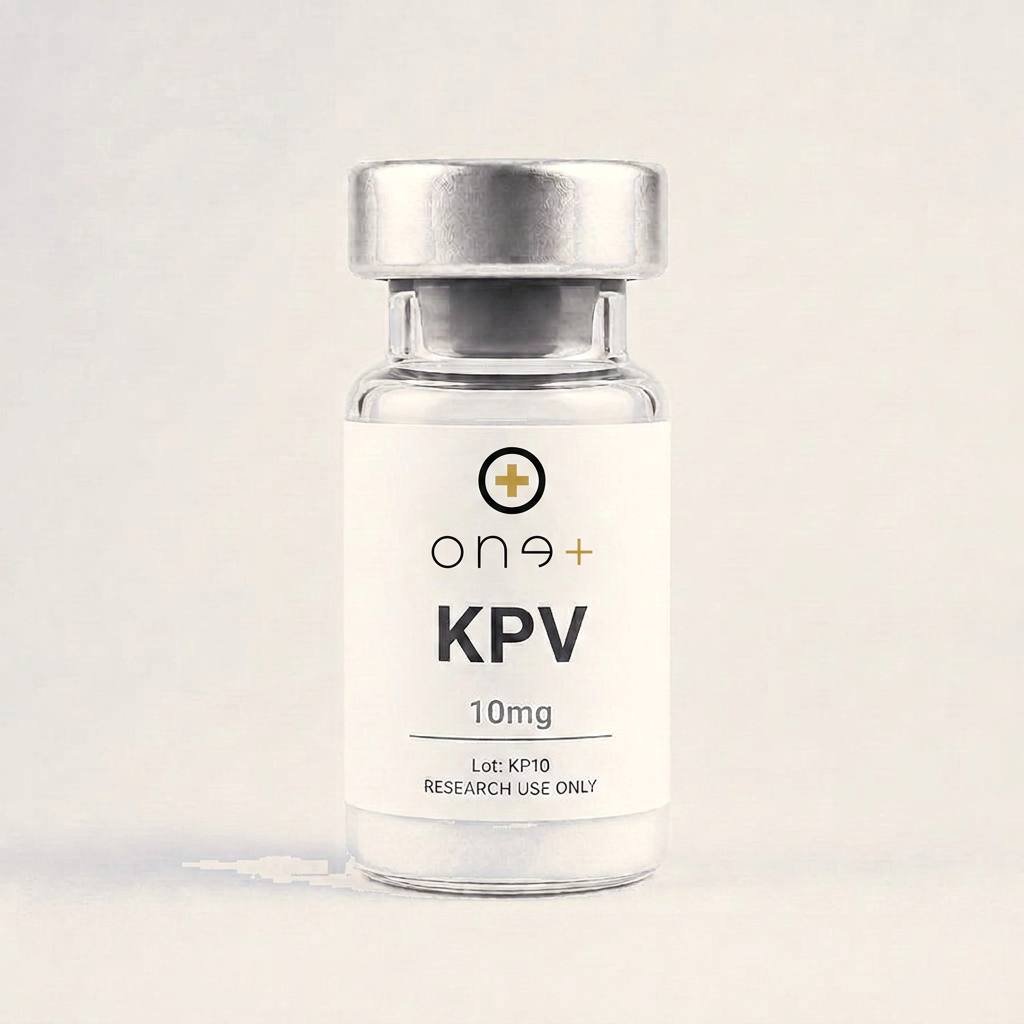
Cytokine signaling in mucosal and dermal inflammation models, studied with KPV and blends.
Tissue repair compounds in the One Plus shop
5 compounds, each with published purity and a downloadable certificate of analysis.
Purity and COA evidence
No batch ships without an independent certificate of analysis matched to its lot code. Reports include the HPLC chromatogram, mass-spectrometry confirmation of molecular weight, and measured peptide content. Average verified purity across tissue repair lots is 99.4%.
How verification worksStorage and handling
Lyophilized vials are stable at room temperature during 3–5 day transit and should then be stored cool, dry, and away from light. After reconstitution with bacteriostatic water, refrigerate at 2–8°C and avoid repeated freeze-thaw cycles. Use within the window stated on the certificate of analysis for the lot.
Shipping detailsTissue repair peptide FAQ
What are tissue repair peptides?
In laboratory research, 'tissue repair peptides' refers to peptide compounds studied in models of wound healing, angiogenesis, cell migration, and connective tissue remodeling. Commonly studied examples include BPC-157, TB-500 (Thymosin Beta-4), GHK-Cu, and KPV. They are sold for in-vitro research use only.
Which pathways are these compounds studied in?
Published literature examines angiogenesis and endothelial signaling (BPC-157), actin sequestration and cell migration (TB-500), copper-dependent collagen and extracellular matrix synthesis (GHK-Cu), and cytokine modulation in inflammatory models (KPV).
How is purity verified?
Every lot is analyzed by an independent laboratory using HPLC and mass spectrometry. The certificate of analysis, including the chromatogram and lot code, ships with the order and can be requested by batch code at any time.
How should these peptides be stored?
Keep lyophilized vials cool, dry, and shielded from light. After reconstitution with bacteriostatic water, refrigerate at 2–8°C and use within the window stated on the certificate of analysis. Avoid repeated freeze-thaw cycles.
Are these products approved for human use?
No. All One Plus compounds are supplied strictly for in-vitro laboratory research. They are not drugs, foods, or medical devices, are not for human or veterinary use, and have not been evaluated by the U.S. Food and Drug Administration.