Endotoxin Testing in Lyophilised Peptides
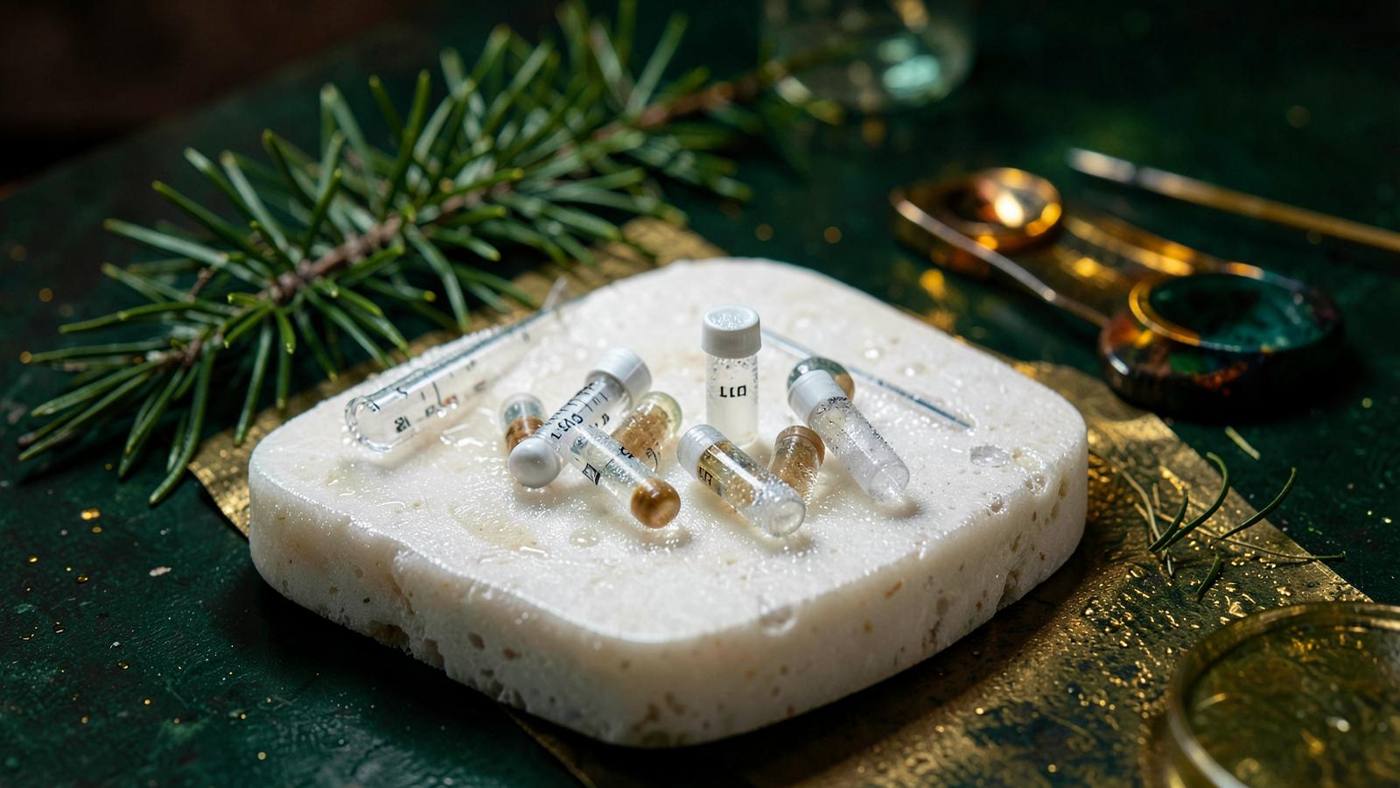
Learn why endotoxin tests are crucial for peptide research. One Plus Labs offers >99% purity, HPLC-verified, and US shipping for reliable results.
Research Use Only (RUO). All compounds described here are supplied strictly for in-vitro laboratory research. Not for human or veterinary use, and not evaluated by the FDA.
The search for high-purity peptides for laboratory research often resembles a minefield. While many suppliers advertise with striking purity levels of “99%,” they often omit the most critical detail of quality assurance: endotoxin contamination. For researchers who rely on precise in-vitro data or valid biochemical pathway analyses, undetected pyrogen contamination can ruin an entire project. A peptide may be chemically pure according to HPLC analysis, but if bacterial lipopolysaccharides (LPS) remain in the vial, the observed cellular reactions will be falsified. The result? Artifacts instead of insights, wasted budgets, and frustrating retests. At One Plus Labs, we know that “purity” is more than just a number on a piece of paper – it is the foundation of scientific integrity. Those who order cheaply from abroad often risk batches produced under inadequate cleanroom conditions. In this article, you will learn why endotoxin tests are indispensable and how to separate the wheat from the chaff.
Endotoxins in Peptide Research: An Underestimated Disruptive Factor
Endotoxins, primarily lipopolysaccharides from the outer cell membrane of gram-negative bacteria, are extremely heat-stable and resilient. In the context of peptide synthesis, they can arise at almost every step – through contaminated water, raw materials, or insufficient sterile filtration before lyophilization. In biochemical research, they are so feared because even in tiny concentrations (measured in USA/mg – Endotoxin Units), they can trigger strong immunological reactions in cell cultures.
For example, if a laboratory investigates the influence of BPC 157 10mg on specific signaling pathways, existing endotoxins can cause cytokine reactions that are falsely attributed to the peptide. This leads to a massive distortion of research data. An endotoxin test (such as the LAL test) is therefore the only way to ensure that the observed effects are exclusively due to the amino acid sequence of the target peptide. For reliable quality control of peptides, the absence of these pyrogens is therefore just as important as the chemical identity itself.
Analytical Excellence: HPLC and Mass Spectrometry as the Gold Standard
To guarantee the integrity of a research chemical, a simple visual inspection is not enough. Modern peptide analytics relies on two pillars. First, High-Performance Liquid Chromatography (HPLC), as described in detail by Aguilar [1] for the development of peptide methods. Here, the peptide is separated from impurities to determine the exact purity level. One Plus Labs consistently aims for values of >99%.
The second pillar is mass spectrometry. Aebersold and Mann [2] have impressively demonstrated how mass spectrometry is used to identify peptides and proteins to ensure that the amino acid sequence precisely matches the target specification. A Certificate of Analysis (COA) should therefore always show both values: photometric purity via HPLC and correct mass via MS. Discount providers often save on these expensive analyses per batch or use outdated reports for new batches (batch traceability). For reputable peptides for laboratory research, however, seamless documentation of each individual batch is essential to rule out cross-contamination and synthesis errors.
Buyer's Guide: What to Look for When Sourcing Research Peptides
The market for RUO peptides for research purposes is complex. To ensure the safety of your experimental series, you should strictly apply the following criteria:
1. Transparency of Analytics: Do not accept products without a batch-specific HPLC and MS certificate. A "representative" certificate is worthless. 2. Origin and Shipping: Peptides are sensitive molecules. Shipping from third countries outside the USA not only entails customs risks but often also uncontrolled temperature fluctuations over weeks. Fast US shipping minimizes the degradation of the lyophilisate. 3. Endotoxin Guarantee: Specifically ask for endotoxin limits. Premium providers like One Plus Labs guarantee extremely low values to avoid compromising the biological relevance of your in-vitro studies. 4. Support Expertise: A reputable provider can competently answer technical questions about the amino acid sequence or solubility, instead of just using standard marketing phrases.
Avoid providers who operate exclusively via social media or do not have a physical presence in regulated markets. The cost of a failed experiment due to inferior reagents far exceeds the savings in purchase price.
Best Practices in the Laboratory: Reconstitution and Handling
Even the purest peptide can be contaminated by improper handling in the laboratory. Reconstitution is the most critical moment. The use of BACTERIOSTATIC WATER is often standard in the laboratory context to inhibit microbial growth after opening the vial, if the solution is to be used for several experimental series over a certain period.
Important Steps for Research:
- Temperature Acclimation: Allow the lyophilisate to reach room temperature before opening the seal to avoid condensation inside, which could hydrolyze the peptide.
- Gentle Reconstitution: The solvent should run down the glass wall. Vigorous shaking can impair the sensitive tertiary structure (if present) or the stability of peptide bonds due to shear forces. Gentle swirling is preferable.
- Storage: After reconstitution, peptides should be stored in aliquots at -20°C or -80°C to avoid repeated freeze-thaw cycles, which can massively damage the integrity of the amino acid sequence.
Premium Research Chemicals vs. Standard Goods: The One Plus Labs Difference
Why do leading research institutions choose not to go with the cheapest provider? Because the hidden costs of "standard goods" are immense. While standard providers often sell batches with a purity of only 95-98% and completely ignore endotoxin tests, One Plus Labs relies on uncompromising quality management.
| Feature | Standard Provider | One Plus Labs Premium |
|---|---|---|
| Purity Level | Often <98% | >99% (HPLC-verified) |
| Endotoxin Test | Rarely to never | Batch-specific available |
| Analytics | Outdated COAs | Current Mass Spectrometry |
| Shipping | Third countries (customs risk) | Discreet & Fast from our US facility |
| Support | Anonymous / Generic | Specialized & Scientific |
Investing in HPLC-verified and low-endotoxin peptides is an investment in the reproducibility of your research results. A contaminated peptide provides no data, only noise.
Conclusion: Quality is Non-Negotiable in Research
The importance of endotoxin tests and comprehensive analytics cannot be overstated in modern peptide research. Those who save on the procurement of research reagents such as BPC 157 10mg or sterile equipment like BACTERIOSTATIC WATER are saving at the wrong end – the validity of the scientific statement. One Plus Labs offers you the security you need for your laboratory work: highest purity levels, transparent analyses, and reliable US shipping.
Are you ready for precise results? Equip your laboratory with peptides that deliver what the analytics promise. Visit our shop and benefit from our expertise in purity and transparency.
Discover lab-tested peptides for research now
Disclaimer: All peptides described herein are intended exclusively for scientific research purposes (Research Use Only / RUO) and are not intended for human or animal use.
Scientific Sources
- [1] Aguilar MI "HPLC method development for peptide analysis". Methods in Molecular Biology (2004). DOI: 10.1385/1-59259-742-4:3
- [2] Aebersold R, Mann M "Mass spectrometry of peptides and proteins". Nature (2003). DOI: 10.1038/nature01511
Related articles
Deepen your RUO knowledge with curated follow-up reading.
Third Party Testing Pros and Cons
Learn about the importance of third-party testing (HPLC/MS) for high-purity peptides (>99%). Ensure accurate research with One Plus Labs's lab-tested RUO…
Stability Studies for Lyophilized Peptides
Lab-tested peptides with >99% purity. Learn about stability studies, HPLC analytics & secure US shipping for your research. Get informed now!
Peptide Stability in Various Solvents
Explore peptide stability in various solvents for lab research. Learn about degradation pathways, BACTERIOSTATIC WATER, co-solvents, and best practices…